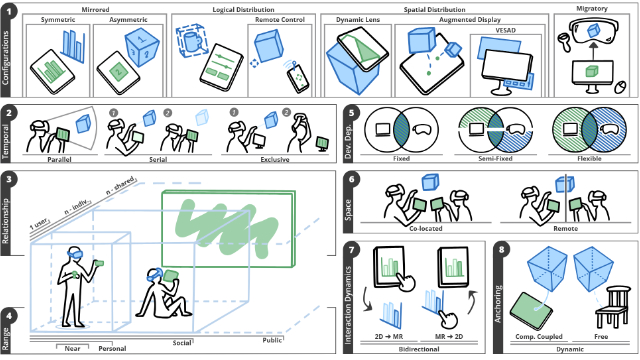
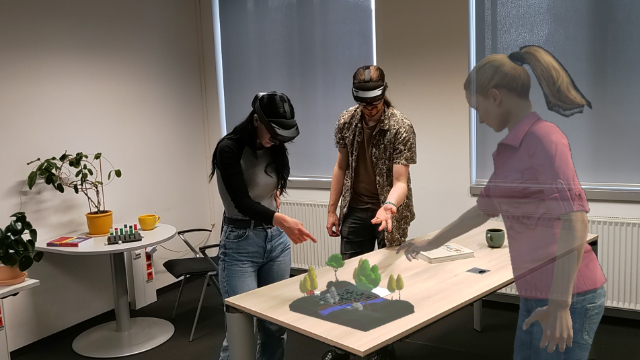
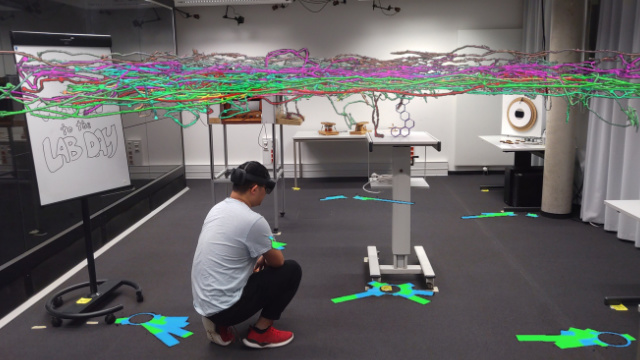
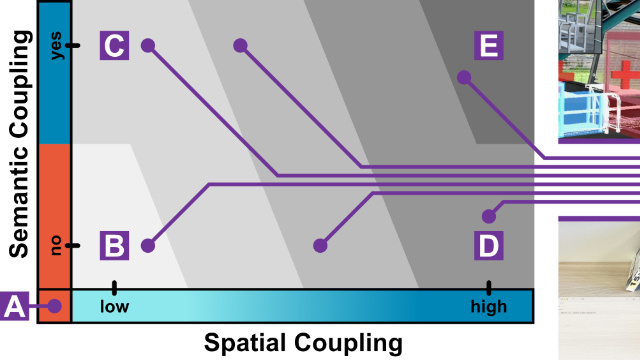
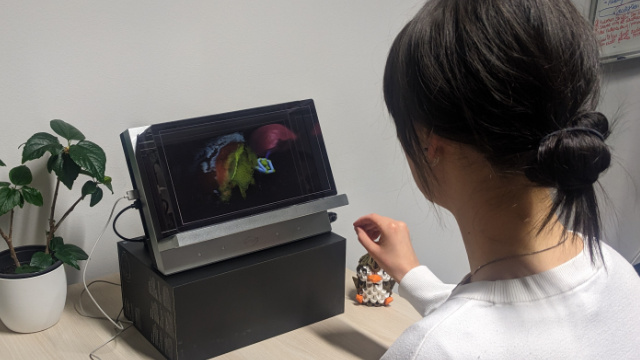
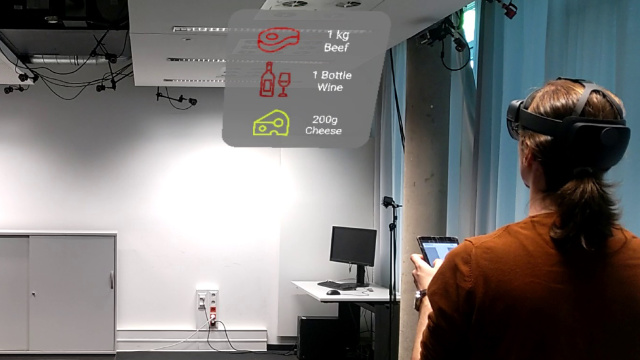
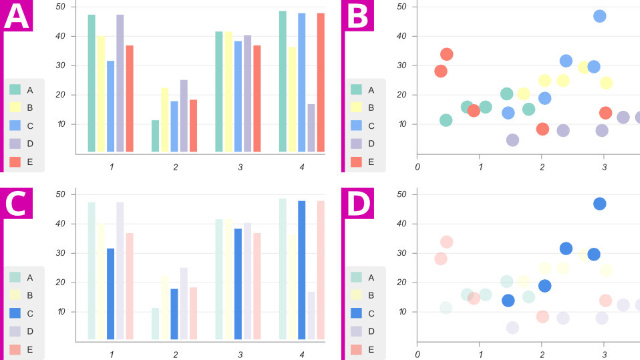
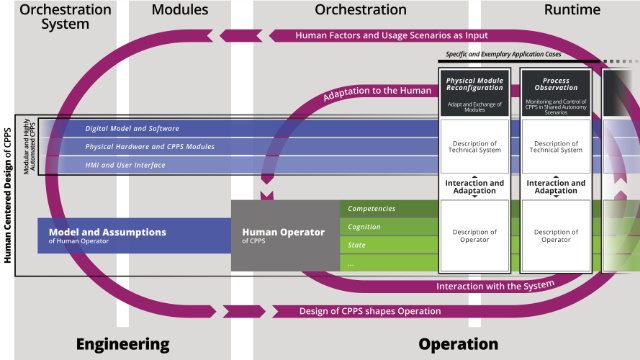
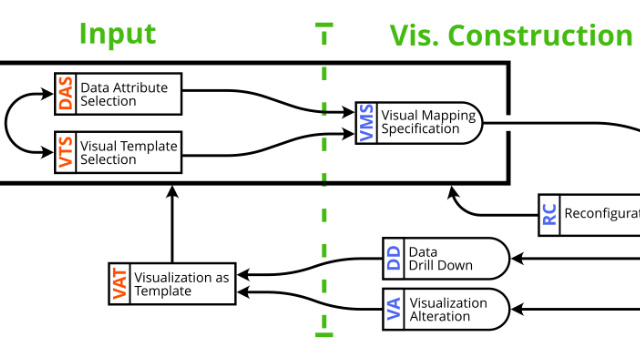
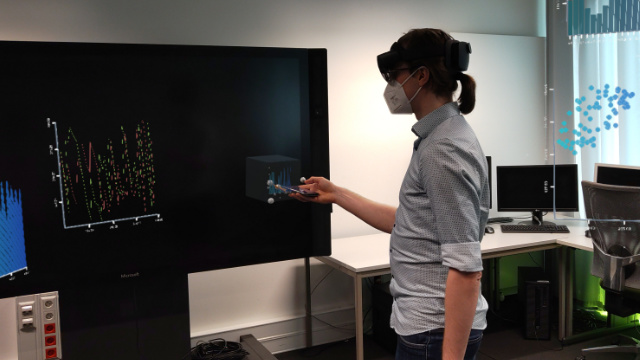
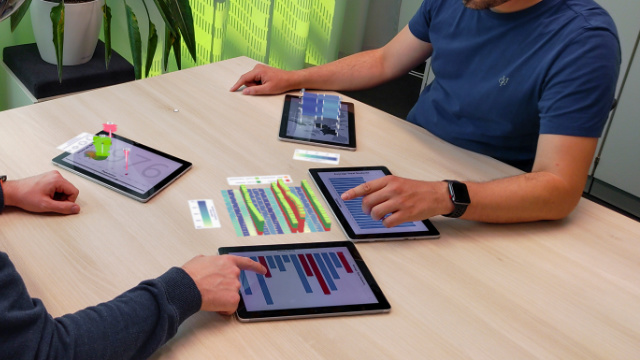
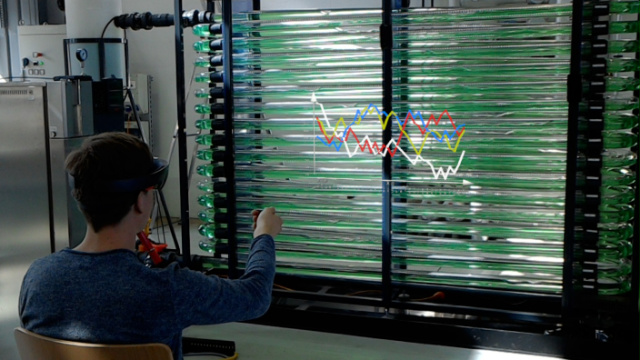
AR enables combining virtual data spaces with real-world environments through visual augmentations, transforming everyday environments into user interfaces of arbitrary type, size, and content. In the past, the development of AR was mainly technology-driven. This made head-mounted MR devices more common in research, industrial, or personal use cases. However, such devices are always human-centered, making it increasingly important to closely investigate and understand human factors within such applications and environments. The growing data availability, amount, and complexity amplified the need and wish to generate insights through such visualizations. Those, in turn, can utilize human visual perception and ARs natural interactions, the potential to display 3D data, or the stereoscopic display. In my thesis, I aim to deepen the understanding of how AR applications must be designed to optimally adhere to human factors and ergonomics, especially in the area of visual data analysis. To address this challenge, I ground my thesis on three research questions: (1) How can we design such applications in a human-centered way? (2) What influence does the real-world environment have within such applications? (3) How can AR applications be combined with existing systems and devices? To answer those research questions, I explore different human properties and real-world environments that can affect the same environment’s augmentations. For human factors, I investigate the competence in working with visualizations as visualization literacy, the visual perception of visualizations, and physical ergonomics like head movement. Regarding the environment, I examine two main factors: the visual background’s influence on reading and working with immersive visualizations and the possibility of using alternative placement areas in AR. Lastly, to explore future AR systems, I designed and implemented Hybrid User Interfaces and authoring tools for immersive environments. [...]
@phdthesis{satkowski2024understanding,
author = {Marc Satkowski},
title = {Understanding Immersive Environments for Visual Data Analysis (Marc Satkowski)},
year = {2024},
month = {2},
location = {Dresden},
url = {https://nbn-resolving.org/urn:nbn:de:bsz:14-qucosa2-889954},
publisher = {Qucosa - Technische Universit"{a}t Dresden}
}